




What are the symptoms of a slipped disc?
Advanced Neurosurgical Care by Dr. Hrishikesh B. Patil offers comprehensive diagnosis, treatment, and surgical management for a wide range of brain, spine, and nervous system disorders. Using advanced surgical techniques and modern technology, we provide personalized care for conditions such as brain tumors, spinal disorders, slipped discs, nerve compression, head injuries, stroke-related complications, and congenital neurological conditions.
Our focus is on delivering safe, precise, and minimally invasive treatment whenever possible, ensuring faster recovery, reduced pain, and improved quality of life. From accurate diagnosis to post-operative rehabilitation, we are committed to providing compassionate, patient-centered neurosurgical care with the highest standards of excellence.
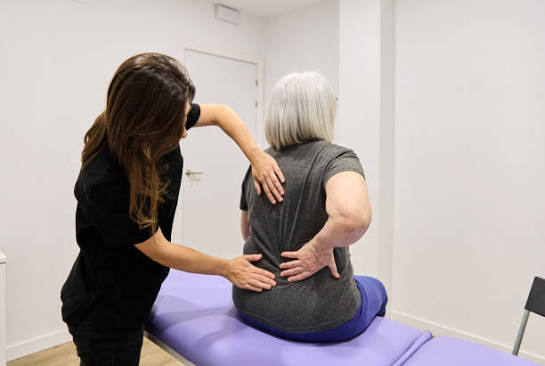
Any area of your spine, including your neck and lower back, could have a slipped disc. One of the more frequent locations for slipped discs is the lower back. Your spinal column is a complex system of blood vessels and nerves. A slipped disk may put additional strain on the surrounding muscles and nerves. Visit to our clinic now and consult with Dr. Hrishikesh Patil, who is the Best Slip Disc Treatment in Chembur.
Symptoms of a slipped disc include:
- pain and numbness, typically on one side of the body
- soreness in your legs or arms
- soreness that intensifies at night or when you move in a particular manner
- ache that worsens after standing or sitting
- pain with quick strolls
- physical weakness that is inexplicable
- tingling, burning, or hurting in the affected area
Different types of pain may be experienced by each individual. See your doctor if your discomfort interferes with your ability to regulate your muscles by causing tingling or numbness.
What causes slipped discs?
A slipped disk occurs when the outer ring becomes weak or tears and the inside of the disk falls out. This can happen as people age. Certain movements can also lead to a herniated disk. While you twist or rotate to raise something, you may cause a disk. Picking up a big heavy thing can be very stressful to the lower back and could cause a slipped disk. If you have a physically demanding job that requires you to do a lot of lifting, you may be more likely to have slipped disks. People who are overweight are also more likely to have a slipped disk because their disks have to support the extra weight. A sedentary lifestyle and weak muscles can also cause a slipped disk. As you get older, you're more prone to having a slipped disk. This is because, as you get older, your disks start to drain themselves of some of the water that protects them. They are therefore more prone to fall out of place. They are more common in men than women. We have the Best Slip Disc Treatment in Chembur.
How are slipped discs diagnosed?
Firstly, the physical examination will be conducted with the help of the physician. The first step is to find the cause of your problem and misery. The physician will evaluate the functioning of your muscles. The physician will check how strong the muscles are, how well the nerves function, and if there is pain in the affected area. The physician will also examine if a person gets hurt while touching or moving the affected part of his body. The physician would ask a series of questions about the patient’s symptoms and past medical history.
Imaging tests can help your doctor visualize the muscles and bones in your spine and locate damaged areas. Examples of imaging scans include:
- X-ray
- CAT scans
- MRI’s
- Discogrophy
Your doctor can take all of this information and put it together to determine the cause of your discomfort, weakness, or pain.
What are the complications of a slipped disc?
If a large slipped disk is left untreated, it can cause permanent damage to the nerves. Very rarely, a slipped disk can block the nerve signals to the cauda equina nerves in your legs and lower back. If this happens, you might lose control of your bowels or bladder. Another long-term problem is saddle anesthesia. Here you will lose sensation in your inner thighs, the backs of your legs, and around your rectum, because the slipped disk is pressing on nerves. Symptoms of a slipped disk can improve or worsen. If you find yourself unable to do the things you used to do, then it’s time to see your doctor. Book your appointment now with Dr. Hrishikesh Patil, who is the Best Slip Disc Treatment in Chembur.